Garage Door Safety and Security Tips To Protect Your Home
As the largest moving part of your home, and potentially one of your biggest investments, your garage door is both a primary entry point and a massive piece of daily machinery. While only 9% of invasions occur through the garage door, that still amounts to 225,000 break-ins each year.
But true garage door safety is a two-way street: it means keeping intruders out, while making sure the door operates safely for your family every single day. That’s why we’ve provided garage door safety tips to keep you feeling safe and protected in your home.
Why Invest in Garage Door Security
Recent FBI statistics show that a burglary occurs in the U.S. every 26 seconds. Most of us want to believe that we live in a safe and idyllic neighborhood, but the reality is that the risk of home invasion is present anywhere.
Consider familiarizing yourself with these additional crime statistics before taking action with our garage door security tips.
- Most burglaries take place between 10 AM – 3 PM when homeowners are at work.
- 74% of all burglaries target a residence.
- In 2019, the FBI reported 290,909 daytime burglaries compared to 195,884 nighttime burglaries.
- Approximately, 28% of burglaries happen while a household member is at home.
Garage Door Security Tips: Outside Your Garage Door
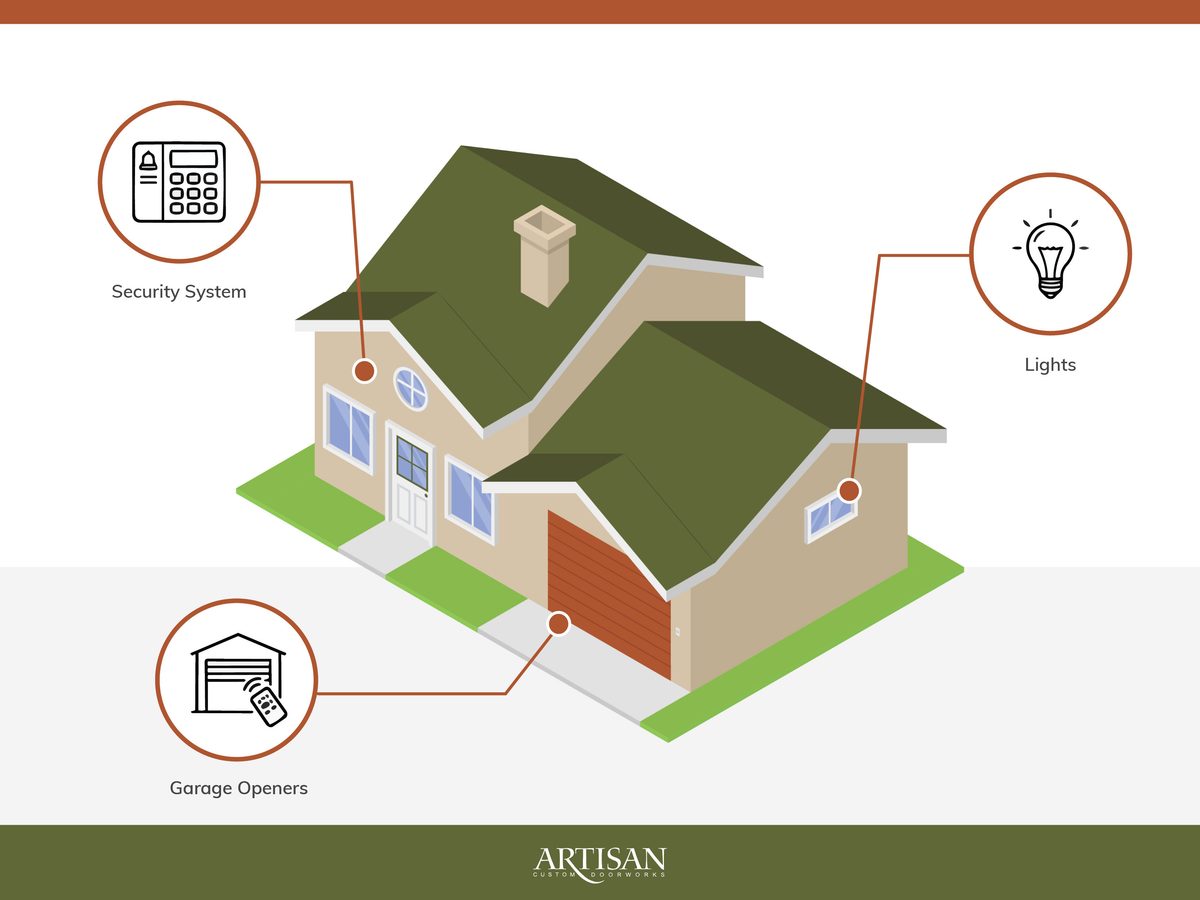
There are four different types of garage door security devices you can use on the outside of your garage door: garage door openers, lights, cameras, and home alarms. We’ll discuss each in depth and how you can use them to your advantage.
Garage Door Openers
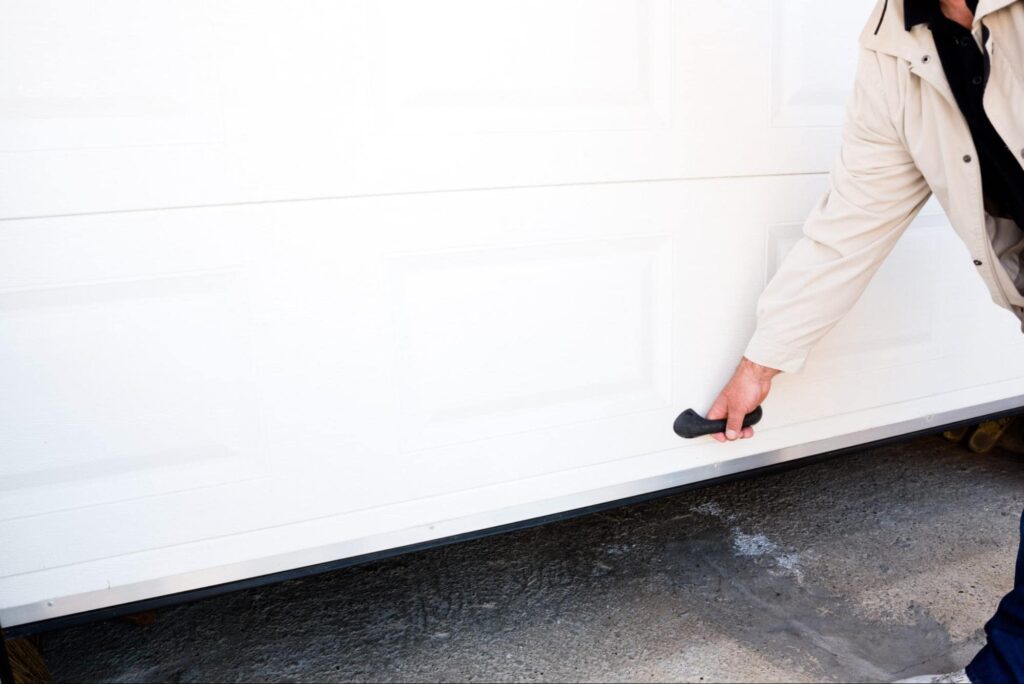
One of the first ways to make your garage door more secure is to upgrade your garage door openers to a remote-controlled system or key codes. Additionally, knowing how to secure your manual release handle makes sure an intruder can’t disengage your system from the outside.
With your garage door opener, here are a few tips we recommend following.
- Regularly change your garage door opener code. For example, when you’re going on vacation, change it so no one can’t get in, unless you give them the new code.
- Don’t keep your garage door opener in your car. It makes sense to bring the garage door opener with you when you leave the house, but make sure it’s in a safe and secure place when you aren’t using it.
- Turn off the power. When you know you’ll be away for an extended period of time, turn off the power so the garage door opener will not work.
How Often Should You Change Your Garage Code?
If possible, it is best to assign each person in your home a different lock code. This will help you keep track of who is coming and going into your garage door, especially if you need someone to watch your home while you’re away. It’s also recommended to change the code every six months unless you are noticing there are frequent failed entry attempts to your garage door.
Lights
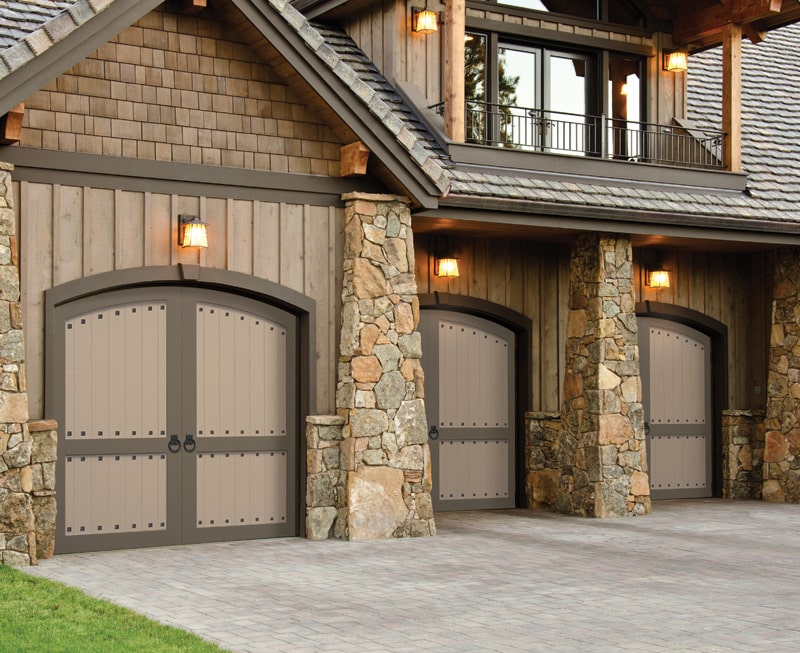
Proper lighting is one of the easiest ways to eliminate blind spots around your garage. Motion-activated floodlights instantly expose intruders, while interior lighting, especially near windows and entry doors, eliminates potential hiding spots.
For complete control, smart lights can sync to your smartphone and flash on whenever the garage door opens, keeping you instantly aware of any movement.
Camera
Installing a security camera near your garage can help deter crime by 50%. Studies have shown that even having security signs in your yard can help discourage an intruder. Just like lights, cameras can be beneficial inside and outside your garage door.
Some cameras can connect with your phone so you can get real-time access to what’s happening at your home. This means you can get notifications or alerts when there’s motion within the camera’s field of view.
Home Alarm
Setting a home alarm will help alert you and possibly your neighbors if someone is trying to get into your home. This alarm is especially useful for times you’re away or during dark hours of the night when everyone is sleeping.
You can find a wide variety of garage security devices with different capabilities to match your surveillance needs. A majority of systems now can be easily synced with your phone so you can feel protected even when you’re away.
Keeping You Safe With Preventative Maintenance
Garage door security and safety depend on your door’s condition. Over time, components like springs, cables, rollers, and hinges naturally wear down. A neglected door creates physical vulnerabilities, like rusted tracks, weak panels, or misaligned sensors, that make forced entry easier and create serious safety hazards for your family.
Old, warped garage doors that have faded paint or lack a tight seal do more than just hurt your home’s curb appeal and energy efficiency. Any gaps or openings make it significantly easier for an intruder to break into your garage.
To keep your home secure and running smoothly, follow these essential maintenance steps:
- Inspect and Tighten Hardware: The average garage door moves up and down thousands of times a year. Daily vibration loosens track brackets and bolts. Tighten hardware regularly to prevent gaps an intruder could exploit with a crowbar.
- Check Springs, Cables, and Rollers: Worn rollers cause the door to stick or jerk open, leaving your home exposed. Damaged cables or uncalibrated springs can also cause a heavy door to drop unexpectedly. Inspect these components twice a year and hire a professional for any high-tension spring repairs.
- Test the Auto-Reverse Safety Feature: Test your door’s auto-reverse system by placing a block of wood under the door. If the auto-reverse mechanism fails to trigger, clean your photoelectric sensors. Misaligned garage door safety sensors are a primary cause of accidental door closures.
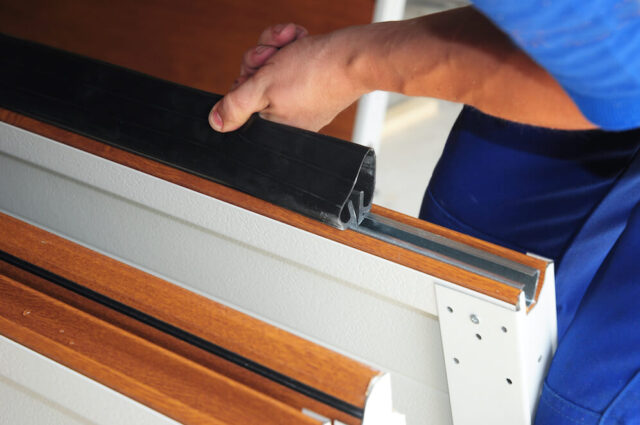
- Maintain Weather Stripping: Keep bottom seals and perimeter trim in good condition. Damaged seals leave openings that make it easy for burglars to slide shims or coat hangers inside to reach the emergency release cord.
- Schedule an Annual Professional Tune-Up: Catching worn parts early keeps the system running smoothly, prevents sudden breakdowns, and gives you long-term peace of mind.
Extra Tip: High-Tension Safety: Springs, Cables, and Professional Care
While routine cleaning and bolt-tightening are safe for DIY, high-tension components like torsion springs and cables store dangerous levels of energy. If you notice frayed safety cables or a broken spring, always schedule a professional garage door inspection to avoid severe injury.
Make Your Garage Door More Secure
Now that we’ve outlined some garage security devices, it’s time to highlight some additional things you can do to protect your home. Although the garage door is not usually a burglar’s main point of entrance, secure and protected garages could eliminate over 110,000 burglaries each year, one of which could be yours.
- Think Like a Burglar. Take some time to inspect your garage and the surrounding area to see what access points would be easy to break into. This will help you indicate where you need to add some garage security devices.
- Use a Timer. If you often forget to close your garage door in the hustle and bustle of hectic mornings, you can install a timer that ensures your door closes at a predetermined time each day.
- Lock Your Doors. Make sure all exterior doors and windows are locked as well as any access points between your garage and the rest of your home. This is important because if an intruder would get into your garage, locked doors will restrict access to the rest of your home.
- Don’t Leave Your Garage Door Open. Be conscious of when your garage door is open and unattended. Even in broad daylight, this could help someone see disadvantage points in your security and plan their attack.
- Keep Tools in a Secure Area. Things like ladders, hammers, and hedge cutters can become useful resources to an intruder. Tools that can easily break windows and locks should be kept secure either in your garage or an outside shed with a lock.
- Securing the Emergency Release Cord: Intruders can insert a wire through the top weather stripping to pull the emergency release cord and open your door in seconds. Protect your home by shortening the cord, installing a release shield, or zip-tying the lever so it can only be broken by a firm manual pull from inside.
- Install a Shield. All these garage door security tips are made to create roadblocks in an invasion plan. Installing a simple shield that blocks your door’s emergency release, could deter an intruder from following through with their plan.
- Use Specialty Windows. Windows can be a beautiful addition to your garage door, but they also allow people walking by to look into your garage. They may be able to spot valuable items and start planning on an intrusion. A way to keep a beautiful look and be more secure is through specialty windows that obscure the interior of your garage.
When the garage door is the point of access in a home invasion, it’s a very swift process. In under ten seconds, a burglar can wedge a gap at the top of your garage door, between the weather sealing and door, and then use a long wire or a hanger to reach your door’s emergency release.
Extra Tip
No security measure is 100% foolproof. For added peace of mind, verify that detached structures like garages or sheds are covered by your homeowners insurance. Remember: stolen tools require personal property coverage, while vehicle damage falls under car insurance.
Protect Your Home with an Artisan Garage Door
By following these garage safety tips and maintaining your garage door safety checklist, you protect both your family and your property.
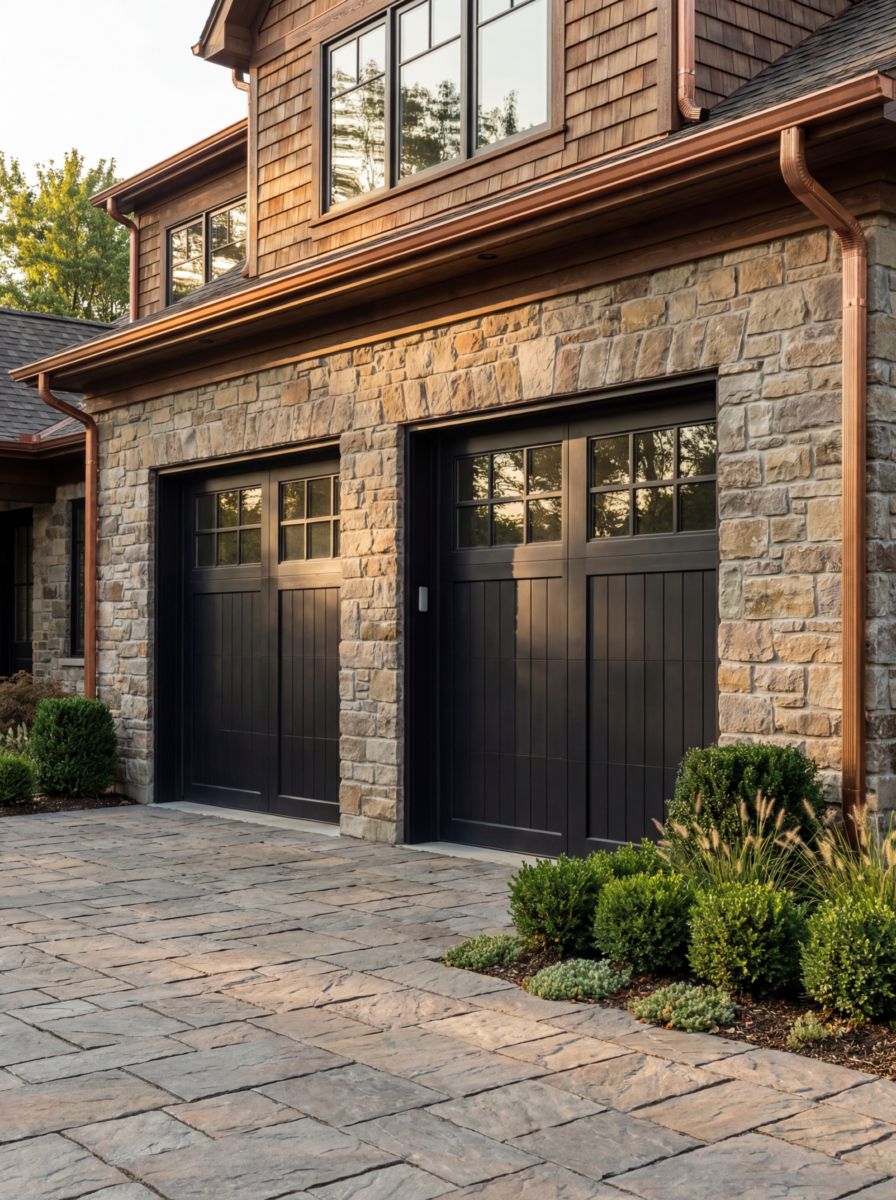
Ready to improve your garage door safety and security? A custom Artisan garage door combines premium craftsmanship with advanced protective features to keep your family safe and your home secure. Contact our team today to explore our designs and build a safer, more beautiful entry for your home.